Category: RHS
-
Control: Aphids – What to do?
From the experts: RHS https://www.rhs.org.uk/advice/profile?pid=181 Non-pesticide control Where possible tolerate infestations of aphids. Aphids have many natural enemies (aphid predators), including ladybirds, hoverfly larvae, lacewing larvae and parasitic wasps. Some of these are available for biological control of aphids in greenhouses. Out of doors, aphid infestations can build up in spring before the natural enemies are active in sufficient numbers…
-
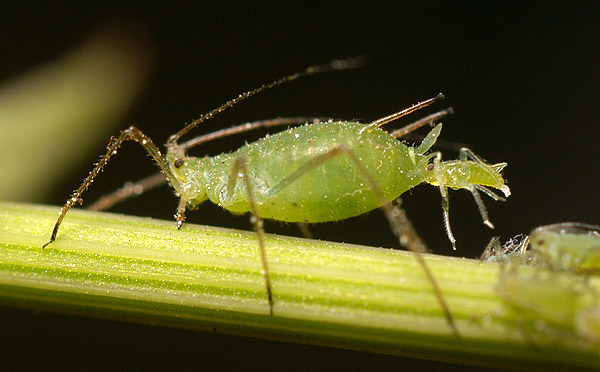
Pest Profile: Aphids
From the RHS ExpertsArticle: RHS – https://www.rhs.org.uk/advice/profile?pid=181 Common names Aphids, greenfly, blackfly, plant liceScientific name Various – many speciesPlants affected Most plants are susceptibleMain symptoms Poor and distorted growth, sticky honeydew and sooty mouldsMost active Spring to late summer on garden plants; all year round indoors What are aphids? Aphids are sap-sucking true-bugs. They range in size from 1 to 7mm…
-
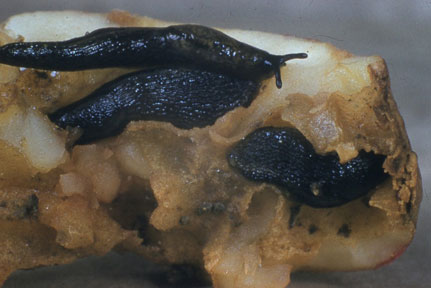
Pest Profile: Slugs
Slugs Slugs are persistent and widespread pests which can cause havoc in the garden, eating holes in leaves, stems, flowers, tubers and bulbs. They can cause damage throughout the year on a wide range of plants, but seedlings and new growth on herbaceous plants in spring are most at risk. See the original article at https://www.rhs.org.uk/advice/profile?PID=228 RHS…
-
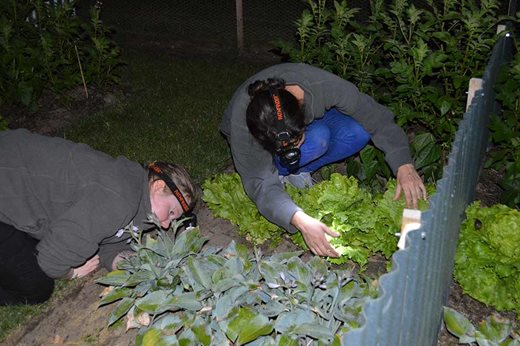
Article: RHS – We’re going on a slug hunt
As part of the Integrated Gastropod Management project, we were interested in seeing if different types of slugs and snails could be found feeding on the six control treatments we were testing. This is particularly important for the nematode treatment as snails are usually unaffected (they don’t go underground in the daytime as slugs do). Would…
-
Article: RHS – Controlling pests and diseases without chemicals
As chemical control choices diminish and concerns for health and the natural environment increase, it’s important to know how to deal with problems. Keeping your plants healthy by good cultivation and sanitation is the best way to prevent pest and disease problems. But despite our best efforts, some diseases can blow in or the weather encourage…
-
Article: Royal Horticultural Society – Gardening Advice: Slugs
There are about seven species of slugs that are garden pests. They can do damage throughout the year on a wide range of plants, but seedlings and new growth on herbaceous plants in spring are most at risk and may need protection. Most slugs live in or on the soil surface, but keeled slugs (Milax…
 Eaten by Slugs