Category: Biological
-
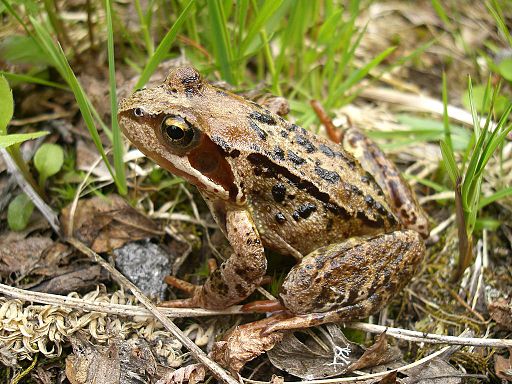
Control: Frogs and toads
You may think they are slimy and horrible, but oh boy, do they love eating slugs. Ideally you would have a small pond (keeping in mind child safety) to allow tadpoles to grow then provide some long grass and leaves to protect the frogs from birds, dogs and cats. Image: Chmee2 [CC BY-SA 3.0 (http://creativecommons.org/licenses/by-sa/3.0/)%5D
-
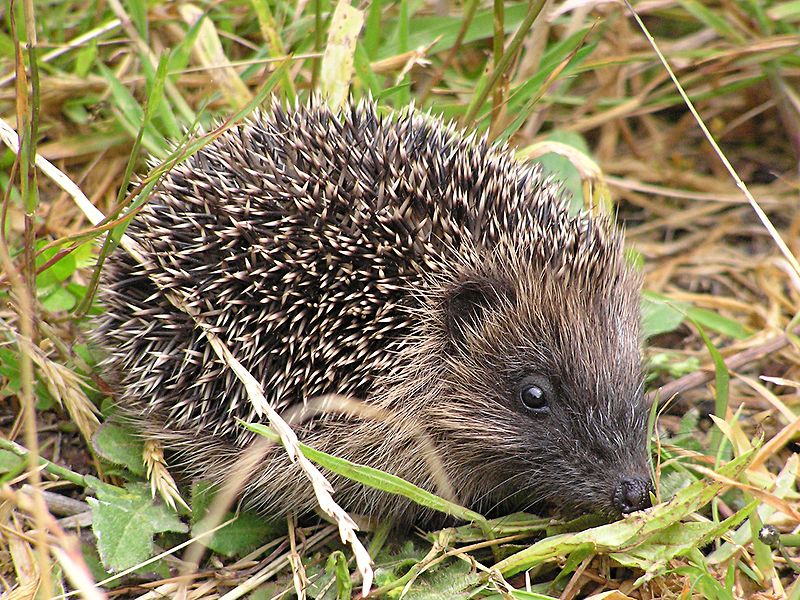
Control: Hedgehogs
What is not to love? They look cute and they eat slugs. To encourage them in, look to create a welcoming home (a small pile of sticks and straw) and access to water. You also need to make sure they are protected from dogs and cats. Find a corner of you garden, place a couple…
-
Control: Aphids – What to do?
From the experts: RHS https://www.rhs.org.uk/advice/profile?pid=181 Non-pesticide control Where possible tolerate infestations of aphids. Aphids have many natural enemies (aphid predators), including ladybirds, hoverfly larvae, lacewing larvae and parasitic wasps. Some of these are available for biological control of aphids in greenhouses. Out of doors, aphid infestations can build up in spring before the natural enemies are active in sufficient numbers…
-
Control: Natural born killers – Chickens and Ducks
Slugs don’t have it all there own way, they have a whole range of predators out to get them. I hear you call out in sympathy, well maybe not. Rather than relying upon pathogens, barriers or chemicals you can work with nature to tip the red in tooth and claw in your favour and against…
-
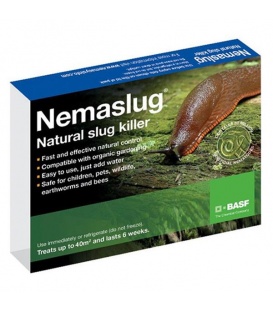
Control: Doing it the biological way: Nematodes
There are a while host of ways to control slugs in your garden but one of the increasingly popular methods is biological control. This could be in the form of large scale predators (birds, hedgehogs, frogs etc.) or you could go small and try Nematodes. Nemaslug Slug Killer Nemaslug controls all common species of small…
 Eaten by Slugs